
Vietnam Travel Tips: Money, Transport, Food, Clothing & More
Vietnam Travel Tips: Everything to Know Before Visiting Vietnam
Vietnam is a diverse destination stretching from the mountains of the north to the tropical beaches of the south. Each region has its own landscapes, food, climate, culture and travel experiences.
For first-time visitors, understanding a few practical details before arrival can make traveling around Vietnam much easier.
This guide covers money, clothing, transportation, food, weather, destinations, local customs, motorbike travel and useful tips for joining tours in Vietnam.
1. Money in Vietnam

The official currency is the Vietnamese Dong (VND).
Cash is still useful in Vietnam, especially when buying food at local markets, paying small restaurants, buying drinks or visiting rural areas.
Credit cards are widely accepted at hotels, larger restaurants, shopping centers and many tourist businesses, but cash is recommended for smaller purchases.
Money Tips
- Carry some Vietnamese Dong for daily expenses.
- Keep small notes for street food and local shops.
- ATMs are widely available in cities and tourist areas.
- Check the exchange rate before changing large amounts of money.
- Avoid exchanging money with unofficial individuals.
- Keep cash and cards in separate places when traveling.
Important
Vietnamese banknotes can look similar, especially when paying quickly. Check the number and zeros carefully before handing over money.
2. What to Wear in Vietnam

What to wear depends heavily on the region and season.
For cities and beaches
Light, breathable clothing is comfortable in hot weather.
Recommended:
- T-shirts
- Shorts
- Light trousers
- Sandals
- Comfortable walking shoes
- Hat
- Sunglasses
For northern mountains
Mountain destinations such as Ha Giang, Cao Bang and Sapa can be much cooler than Hanoi, particularly during winter.
Bring:
- Light jacket
- Long trousers
- Warm layers
- Comfortable shoes
- Rain jacket
When Visiting Temples

Wear respectful clothing when visiting temples and religious sites.
Avoid very short clothing and cover shoulders and knees when required.
3. Getting Around Vietnam

Vietnam offers many transportation options.
Motorbike
Motorbikes are one of the best ways to experience Vietnam's countryside and mountain regions.
They are particularly popular for:
- Ha Giang Loop
- Cao Bang Loop
- Central Highlands
- Hai Van Pass
- Ho Chi Minh Trail
However, riding conditions can be challenging. Travelers should have the appropriate motorcycle license and required documents before riding.
For visitors who do not want to ride themselves, an Easy Rider tour is a comfortable alternative.
Car
Private cars are convenient for families, groups and travelers carrying larger luggage.
Train
Vietnam's railway connects major destinations including:
Hanoi – Ninh Binh – Hue – Da Nang – Nha Trang – Ho Chi Minh City
Trains are particularly useful for longer journeys.
Bus
Sleeper buses are widely available and can be an economical way to travel between cities.
Domestic Flights
Flying is the fastest option for long distances such as:
Hanoi → Da Nang
or
Hanoi → Ho Chi Minh City
4. What Food Should You Try in Vietnam?

Vietnamese cuisine varies considerably between regions.
Northern Vietnam
Try:
- Pho
- Bun Cha
- Banh Cuon
- Cha Ca
Central Vietnam
Try:
- Bun Bo Hue
- Mi Quang
- Cao Lau
- Banh Xeo
- Com Hen
Southern Vietnam
Try:
- Hu Tieu
- Banh Xeo
- Com Tam
- Goi Cuon
Other Vietnamese specialties
Depending on the destination, travelers can also try:
- Fresh seafood
- Mountain barbecue
- Hotpot
- Vietnamese coffee
- Tropical fruit
- Local rice wine
Tip: Street food is an important part of Vietnamese culture. Busy local restaurants are often a good sign because food turnover is high.
5. What to Eat in Different Destinations?
One of the best ways to experience Vietnam is through regional food.
Destination
Hanoi: Pho, Bun Cha, Banh Cuon
Ninh Binh: Goat meat, Com Chay
Ha Giang: Thang Co, local corn dishes, Au Tau Rice Soup
Cao Bang: Banh Cuon Cao Bang, local specialties
Sapa: Salmon, grilled mountain food
Hue: Bun Bo Hue, local cakes
Hoi An: Cao Lau, Mi Quang
Da Nang: Mi Quang, seafood
Da Lat: Artichoke tea, grilled street food
Buon Ma Thuot: Vietnamese coffee, local Central Highlands food
Nha Trang: Fresh seafood
Mui Ne: Fresh seafood
Ho Chi Minh City: Com Tam, Hu Tieu, Banh Mi
Phu Quoc: Seafood, herring salad, Bun Quay
This section is particularly useful because visitors can understand what each destination is famous for before arriving.
6. Which Places Should You Visit?

Vietnam is long and geographically diverse, so choosing destinations depends on the type of trip.
Northern Vietnam
Best for:
- Mountains
- Ethnic cultures
- Rice terraces
- Motorbike adventures
- Historical sites
Popular destinations:
Hanoi, Ha Giang, Cao Bang, Sapa, Ninh Binh, Ha Long Bay, Mai Chau
Central Vietnam
Best for:
- Beaches
- Ancient towns
- Imperial history
- Mountain roads
Popular destinations:
Hue, Da Nang, Hoi An, Phong Nha, Quy Nhon, Nha Trang
Central Highlands
Best for:
- Coffee plantations
- Waterfalls
- Ethnic villages
- Countryside
- Motorbike adventures
Popular destinations:
Da Lat, Buon Ma Thuot, Lak Lake, Kon Tum
Southern Vietnam
Best for:
- Tropical climate
- Mekong Delta
- Beaches
- Islands
- City life
Popular destinations:
Ho Chi Minh City, Mekong Delta, Mui Ne, Nha Trang, Phu Quoc
7. Vietnam Weather: What Should You Expect?

Vietnam does not have one single weather pattern.
The north, central and south have different climates.
Northern Vietnam
Winter can be cool, especially in the mountains.
Summer is hot and humid with more rainfall.
Central Vietnam
Weather varies considerably by destination. Some areas can experience heavy rain and storms later in the year.
Southern Vietnam
The south is generally warm throughout the year, with a clearer distinction between dry and rainy seasons.
Tip: Check the weather for the specific destination rather than checking "Vietnam weather" as a whole.
8. SIM Card & Internet

Vietnam has good mobile coverage in most cities and tourist destinations.
Travelers can choose between:
- Local SIM cards
- eSIM
- Airport SIM
- Mobile data packages
Download important information before traveling to remote mountain areas because mobile coverage can become weaker in some mountainous locations.
9. Useful Vietnamese Words

Learning a few Vietnamese words can make interactions more enjoyable.
Hello: Xin chào
Thank you: Cảm ơn
Yes: Vâng / Dạ
No: Không
How much?: Bao nhiêu?
Delicious: Ngon
Water: Nước
Coffee: Cà phê
Help: Giúp tôi
A simple "Cảm ơn" is always appreciated.
10. Motorbike Travel in Vietnam
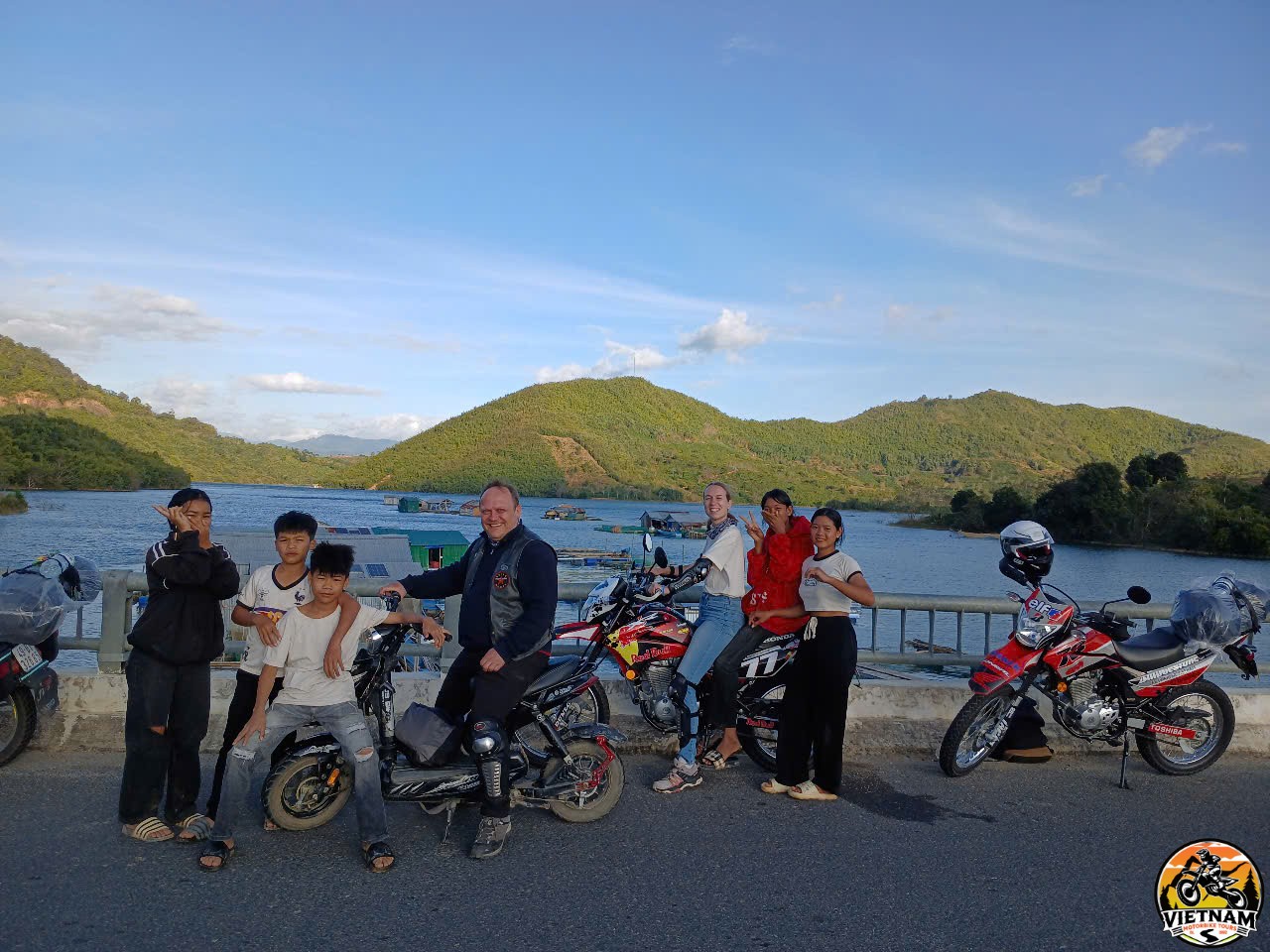
Motorbike travel is one of the best ways to experience rural Vietnam, but it should be approached responsibly.
Popular routes include:
- Ha Giang Loop
- Cao Bang Loop
- Hai Van Pass
- Ho Chi Minh Trail
- Central Highlands
- Vietnam coastal routes
If riding independently, travelers should check that their driving license and international driving permit are legally valid in Vietnam, including the correct motorcycle category.
For travelers who are not confident riding in Vietnamese traffic or mountain conditions, an Easy Rider tour allows them to enjoy the journey as a passenger with a local rider.
11. Tips for Joining a Motorbike Tour
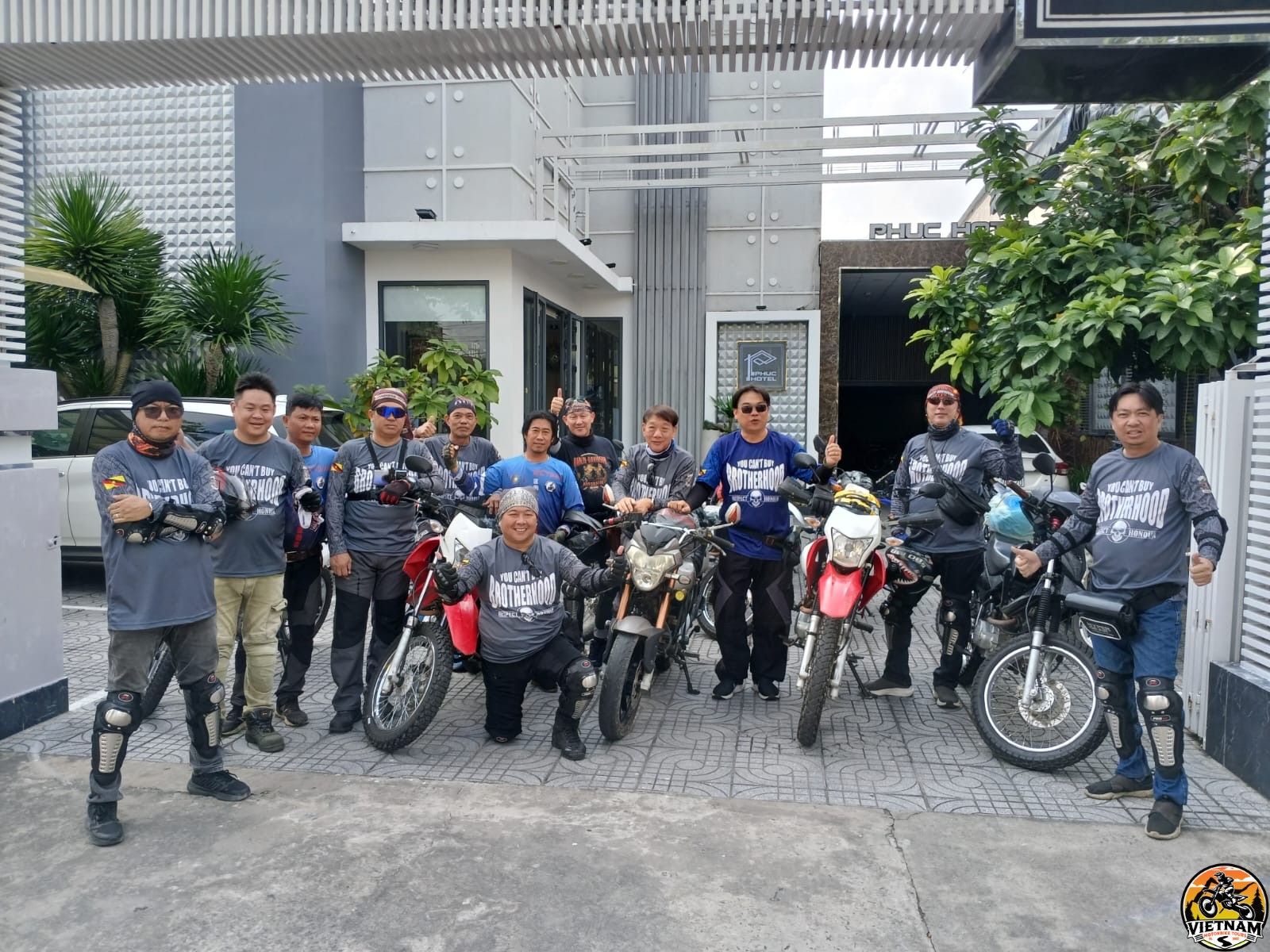
Before starting a multi-day motorcycle tour:
Bring a small backpack
Large suitcases are inconvenient on mountain roads.
A small backpack with essential clothes is much easier to carry.
Prepare for changing weather
Mountain weather can change quickly.
Bring a rain jacket and an extra layer even when the forecast looks good.
Protect valuables
Keep passports, phones and money in a waterproof bag.
Listen to the guide
Mountain roads can have sharp bends, loose gravel, animals, pedestrians and changing road conditions.
Follow the guide's instructions, especially when stopping or riding through difficult sections.
12. Tips for Tourist Services in Vietnam

Tipping is not mandatory in Vietnam, but it is becoming increasingly common in tourism, especially for guides, drivers, hotel staff and other service workers.
How Much Should You Tip?
There is no fixed tipping rate, but as a general guideline:
- Tour guide: USD 5–15 per person per day
- Motorbike Easy Rider: USD 5–15 per person per day
- Driver: USD 3–10 per person per day
- Hotel staff: USD 1–3 for helpful service
- Restaurant staff: Tipping is optional. Check whether a service charge is already included.
For a multi-day motorbike tour, travelers can give the tip at the end of the tour based on the quality of service and overall experience.
Cash Is Best
Tips are usually given directly in Vietnamese Dong (VND) or in a commonly accepted foreign currency such as USD.
There is no need to feel pressured to tip. A tip should be considered a thank-you for good service, not an obligation.
13. What Should You Bring to Vietnam?

For most trips:
- Passport
- Travel insurance
- Phone
- Power bank
- Comfortable shoes
- Light clothing
- Rain jacket
- Sunscreen
- Insect repellent
- Small backpack
- Basic medicines
- Some Vietnamese Dong
For mountain motorbike tours, also bring:
- Long trousers
- Light jacket
- Gloves
- Waterproof bag
- Small towel
- Comfortable closed shoes
14. Common Mistakes First-Time Visitors Make
Avoid these common problems:
Carrying too much luggage
→ Pack light, especially for motorbike tours.
Only visiting major cities
→ Some of Vietnam's best experiences are in rural areas.
Ignoring regional weather
→ Weather can be completely different between Hanoi, Hue and Ho Chi Minh City.
Trying too many destinations in a short trip
→ Vietnam is larger than it looks on a map.
Not carrying cash
→ Small restaurants and rural businesses may not accept cards.
Riding a motorbike without the correct documents
→ Check the legal requirements before riding.
Being afraid to try local food
→ Some of Vietnam's best dishes are found in small local restaurants rather than tourist restaurants.
15. Respect Local Culture

Vietnamese people are generally friendly and welcoming to visitors.
A few simple habits are appreciated:
- Remove shoes when required.
- Dress respectfully at temples.
- Ask before photographing people closely.
- Avoid touching someone's head.
- Keep noise down at religious sites.
- Be respectful when visiting ethnic villages.
- Do not litter.
- Follow local rules at cultural and historical sites.
16. Vietnam Travel Tips by Region
| Region | Best For | Don't Miss |
|---|---|---|
| Northern Vietnam | Mountains & culture | Ha Giang, Cao Bang, Sapa |
| Northeast | Waterfalls & karst mountains | Ban Gioc, Me Pia Pass |
| Northwest | Rice terraces & ethnic villages | Sapa, Mu Cang Chai |
| Central Vietnam | History & beaches | Hue, Hoi An, Da Nang |
| Central Highlands | Coffee & countryside | Da Lat, Buon Ma Thuot, Lak Lake |
| South | Cities & Mekong Delta | Ho Chi Minh City, Mekong Delta |
| Islands | Beaches & marine activities | Phu Quoc, Con Dao |
Final Vietnam Travel Tips
Vietnam is much more than Hanoi, Ho Chi Minh City and the famous beaches.
The best experiences often come from traveling slowly, eating local food, talking with local people and taking time to experience the countryside.
Whether traveling by train, car, bus, plane or motorbike, planning around the weather, regional differences and travel style will make the journey much easier.
For travelers who want to experience Vietnam beyond the main tourist routes, Northern Vietnam, the Central Highlands and the Ho Chi Minh Trail offer some of the country's most memorable landscapes and cultural experiences.