

Ha Giang Vietnam: A Journey Through The Northern Mountains
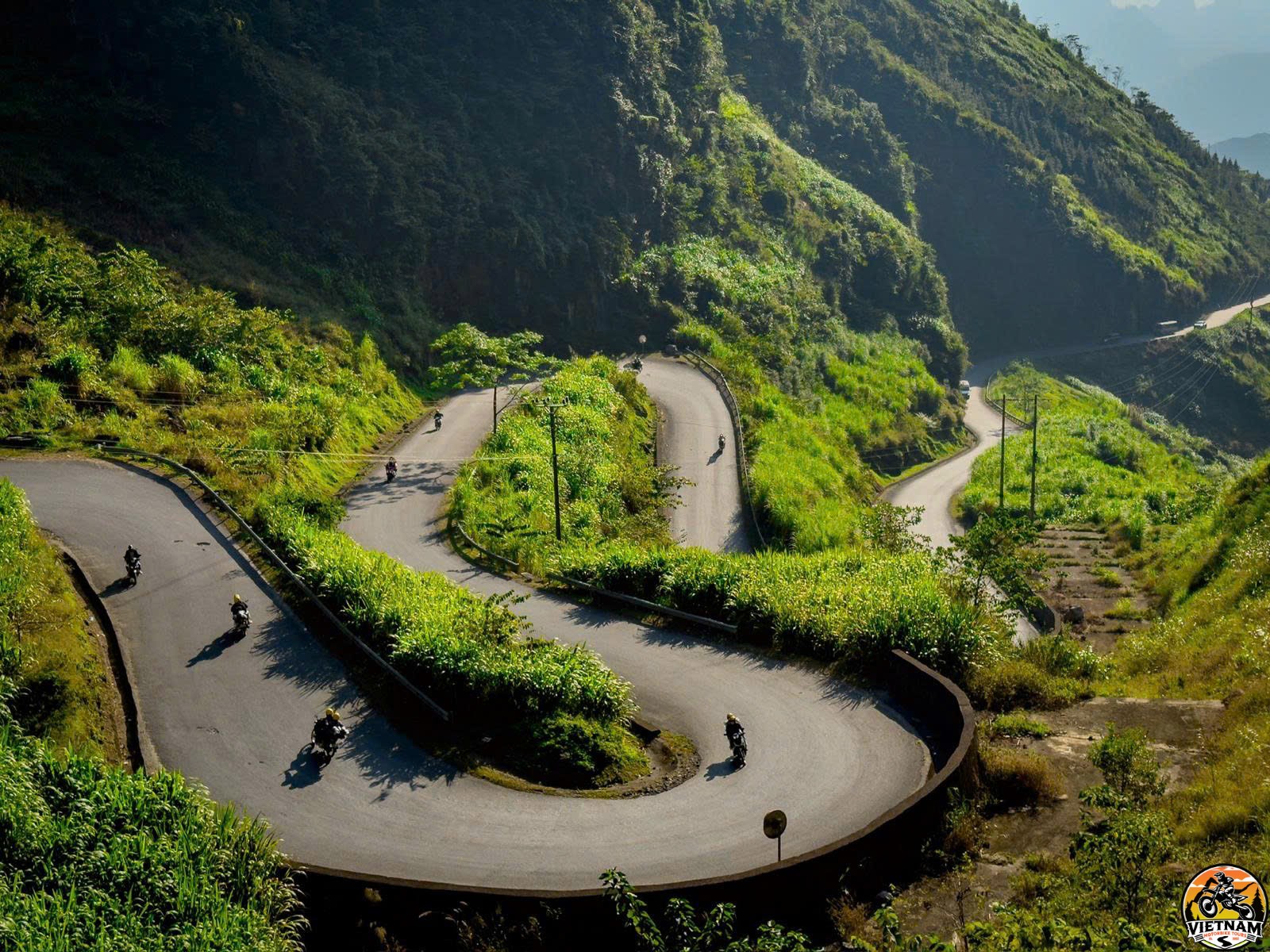
Ha Giang: A Journey Through Northern Vietnam's Mountains
Located in the far north of Vietnam, Ha Giang is known for dramatic limestone mountains, deep valleys, winding mountain passes, traditional villages and diverse ethnic cultures.
The province is around 300 km from Hanoi and is best experienced as a road journey, especially by motorcycle. The famous Ha Giang Loop connects mountain districts including Quan Ba, Yen Minh, Dong Van and Meo Vac, with some of the most impressive roads in Northern Vietnam.
For travelers visiting Ha Giang for the first time, the region offers much more than one famous motorbike route. Different areas have completely different landscapes and seasonal highlights, from the rice terraces of Hoang Su Phi to the limestone mountains of the Dong Van Karst Plateau.
Best Places to Visit in Ha Giang
1. Quan Ba Heaven Gate & Twin Mountains
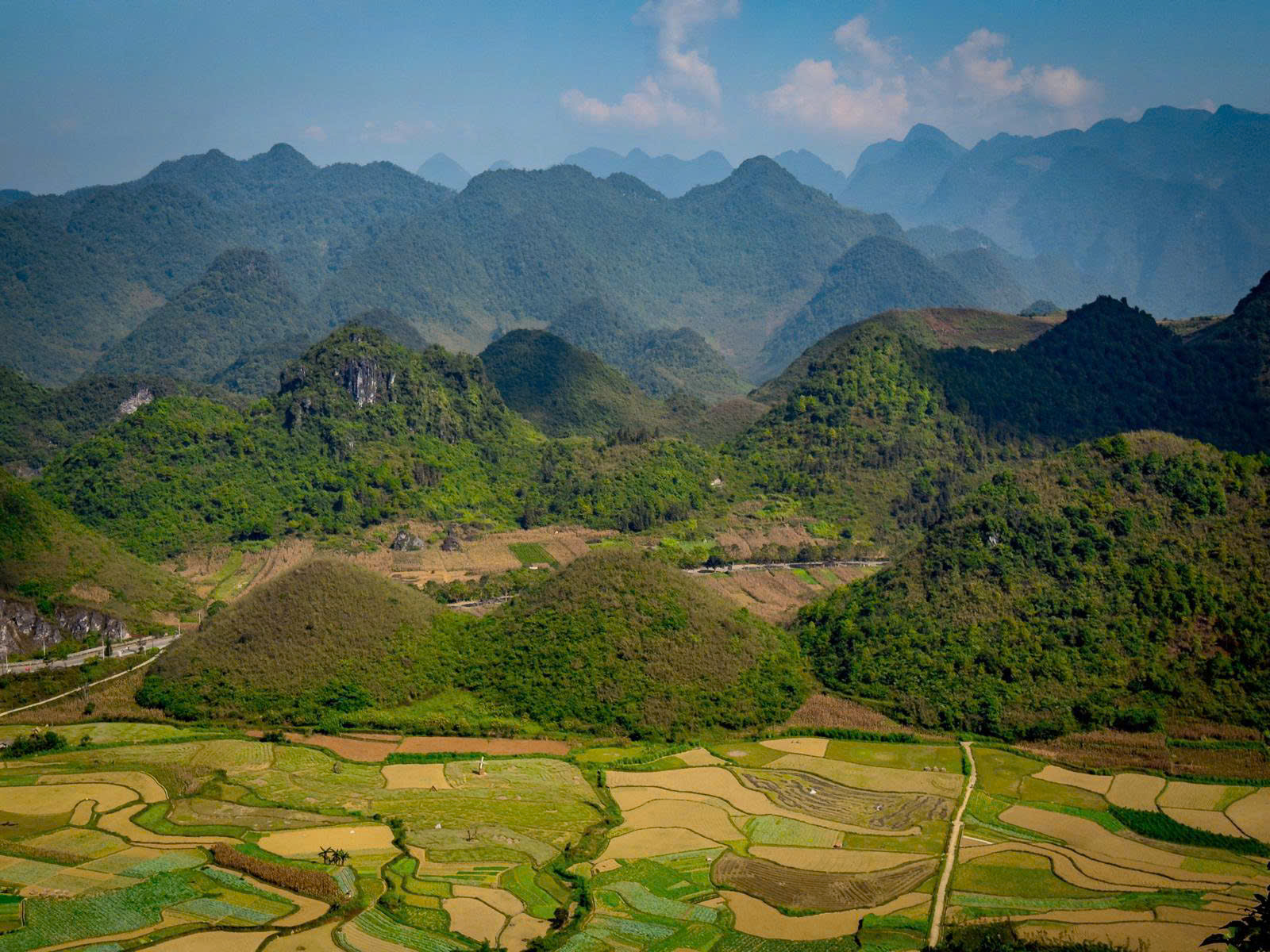
Quan Ba is one of the first major mountain areas on the classic Ha Giang Loop.
At Quan Ba Heaven Gate, visitors can stop at a high viewpoint overlooking the valleys and limestone mountains. Nearby, the famous Quan Ba Twin Mountains rise from the valley and have become one of the most recognizable landscapes in the area.
Quan Ba is also the gateway to the Dong Van Karst Plateau, a UNESCO Global Geopark known for its distinctive limestone landscape.
2. Yen Minh: Mountain Roads and Valleys
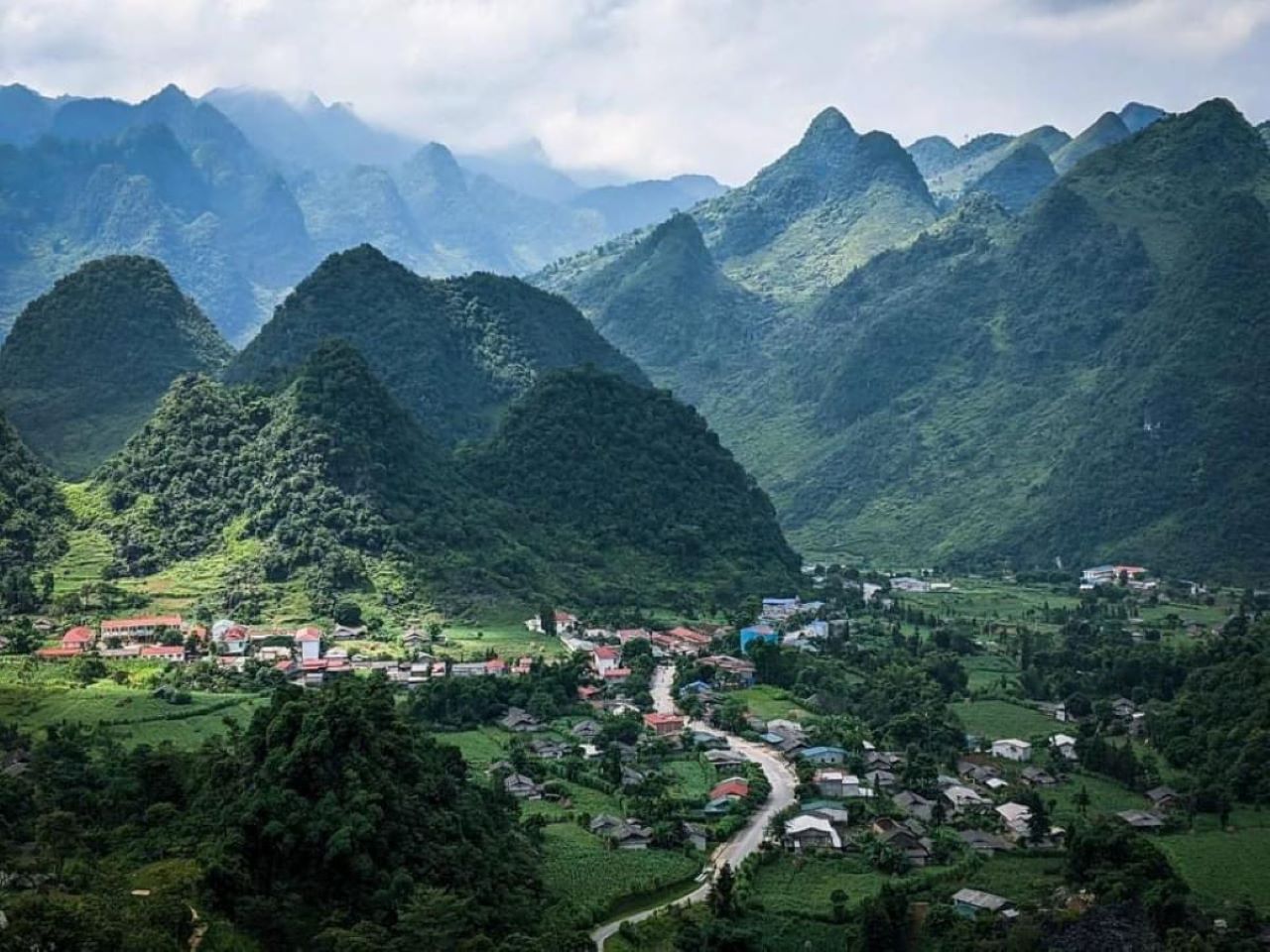
After Quan Ba, the road continues toward Yen Minh, passing through winding mountain roads, valleys and remote villages.
Yen Minh is a quieter part of the route and is often appreciated for its open mountain landscapes and peaceful rural atmosphere. It is also an important overnight stop on many multi-day Ha Giang Loop itineraries.
3. Dong Van Karst Plateau
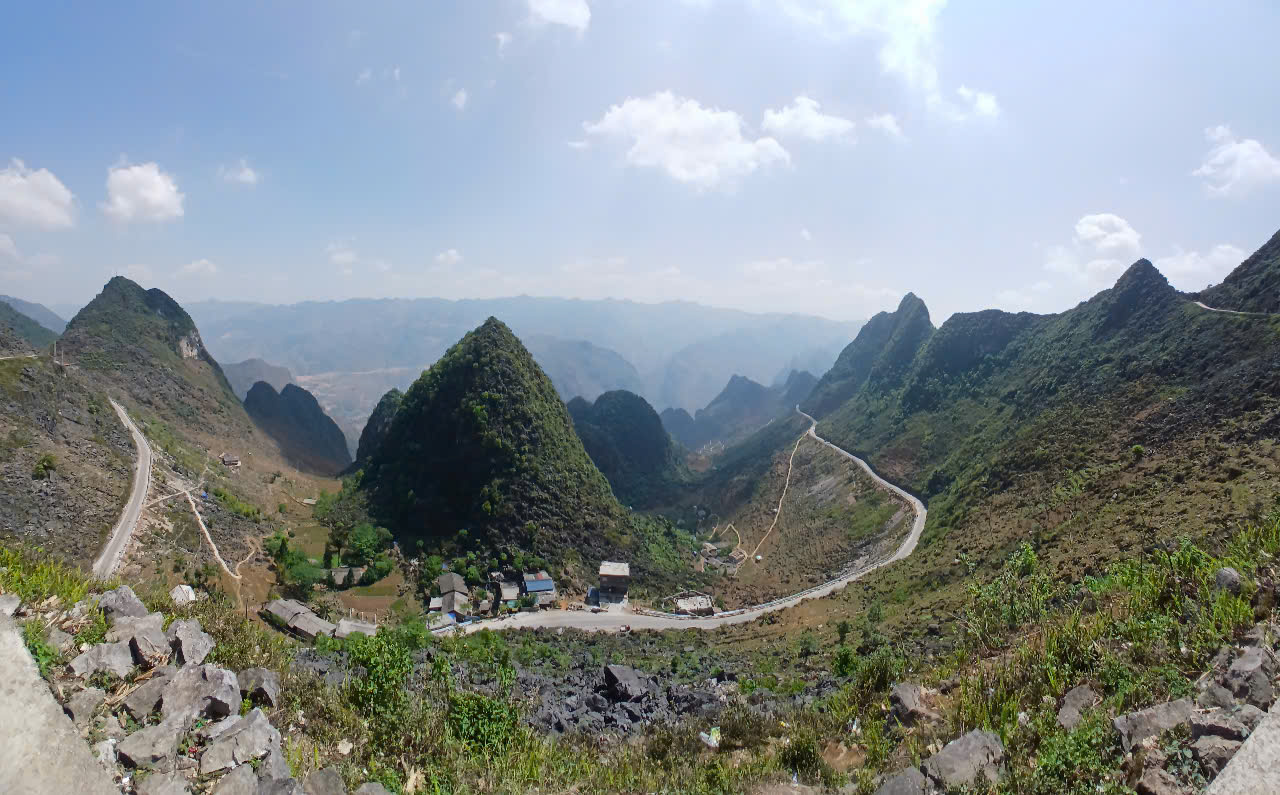
The Dong Van Karst Plateau is one of the defining landscapes of Ha Giang.
The region is characterized by towering limestone mountains, rocky valleys and traditional ethnic minority villages. The plateau is part of the Dong Van Karst Plateau UNESCO Global Geopark, one of the most important geological and cultural attractions in Northern Vietnam.
The landscape changes dramatically along the road, making this section particularly impressive when traveling by motorcycle.
4. Lung Cu Flag Tower
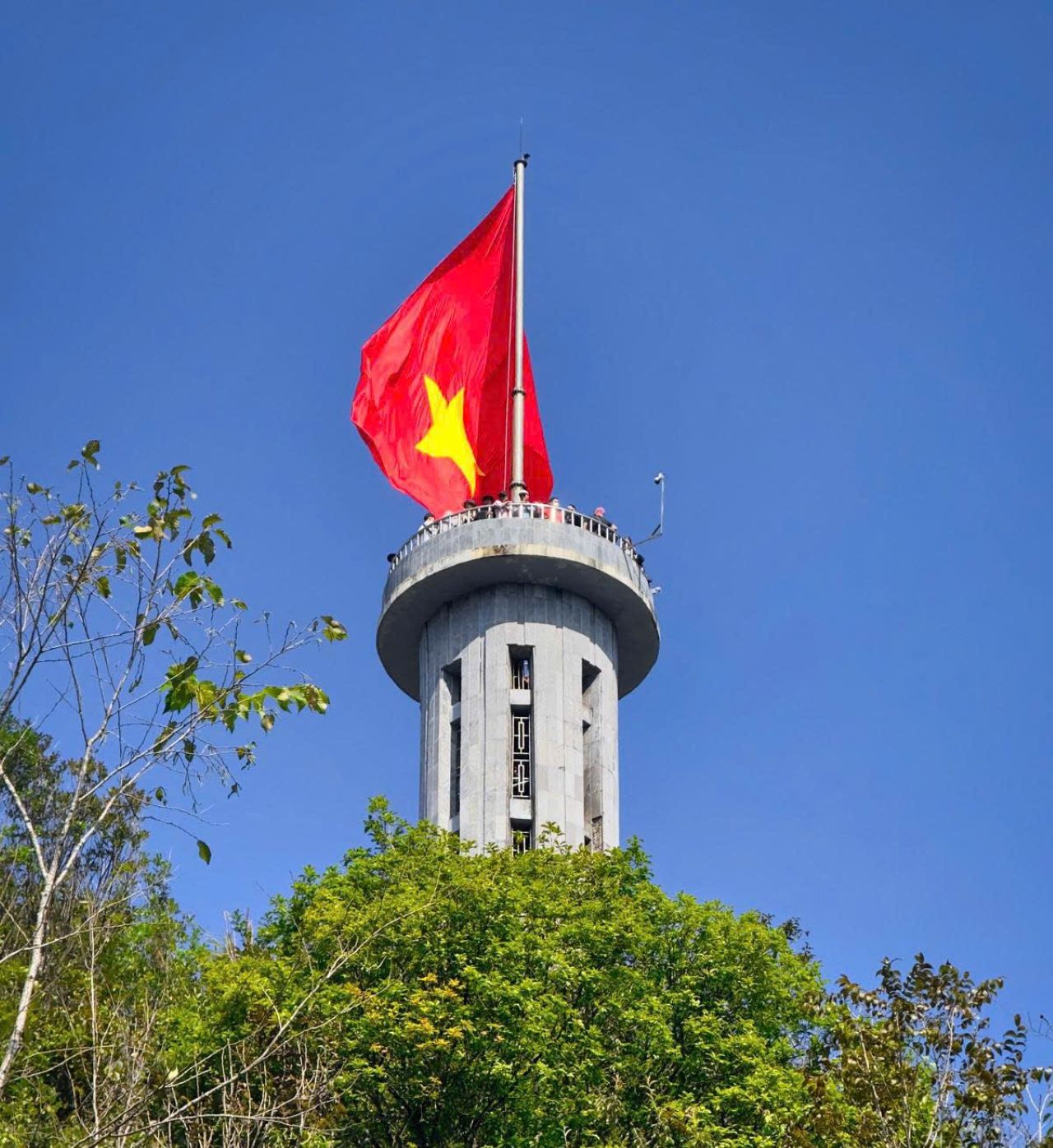
At the northernmost part of Vietnam, Lung Cu Flag Tower stands near the border with China.
Visitors can climb the steps to reach the flag tower and enjoy views across the surrounding mountains and valleys. Vietnam Tourism recommends arriving later in the afternoon when temperatures are more comfortable for the climb.
5. Ma Pi Leng Pass & Nho Que River
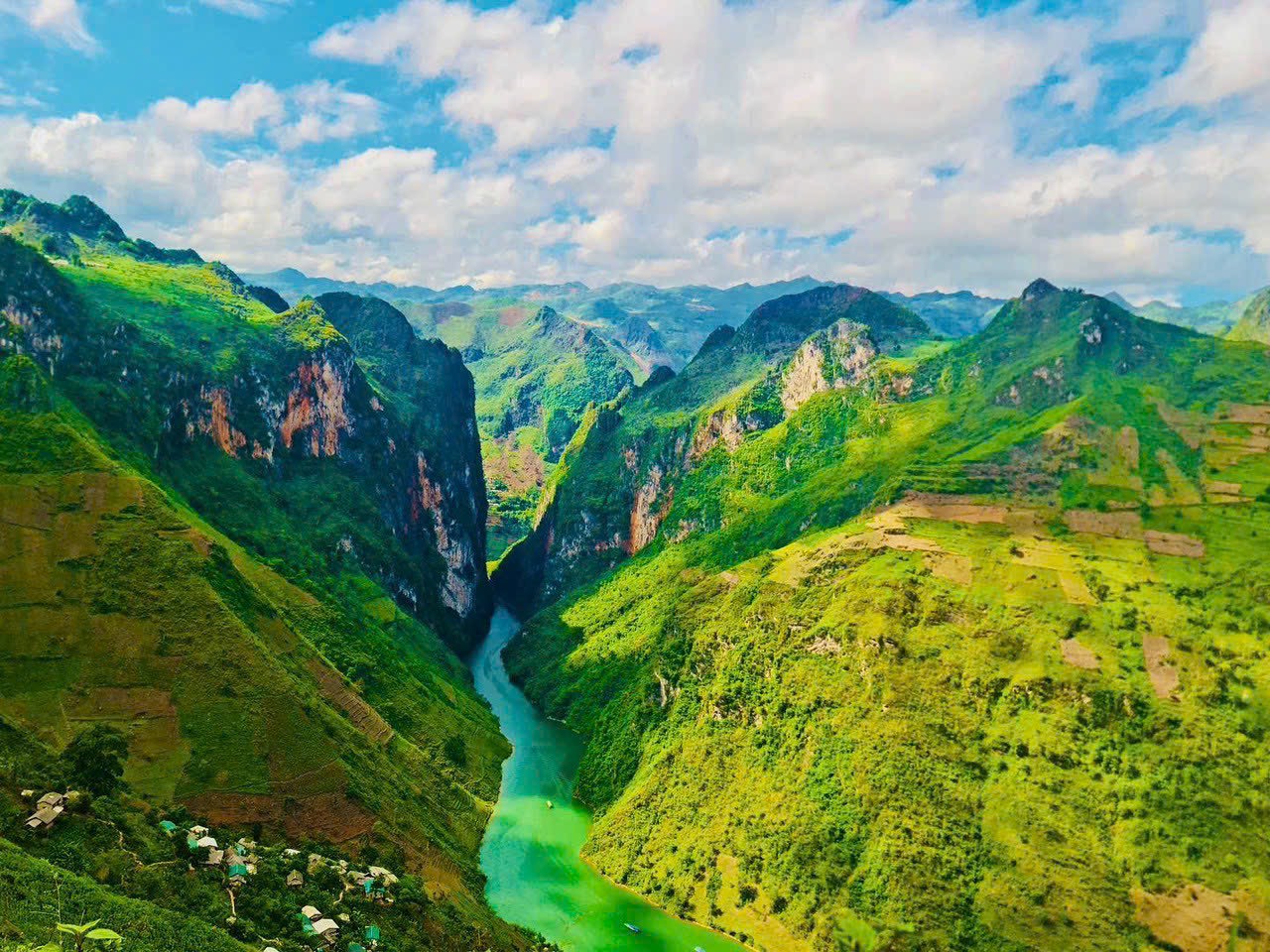
For many travelers, Ma Pi Leng Pass is the highlight of the Ha Giang Loop.
The road follows the mountains high above the Nho Que River, creating dramatic views of steep limestone cliffs and the turquoise river far below.
This is one of the main reasons Ha Giang is so popular with motorcycle travelers. Vietnam Tourism describes Ma Pi Leng as one of the province's signature experiences.
For visitors without mountain-road riding experience, traveling with an experienced local driver is a safer and more relaxed way to enjoy this section.
6. Meo Vac and the Sunday Market
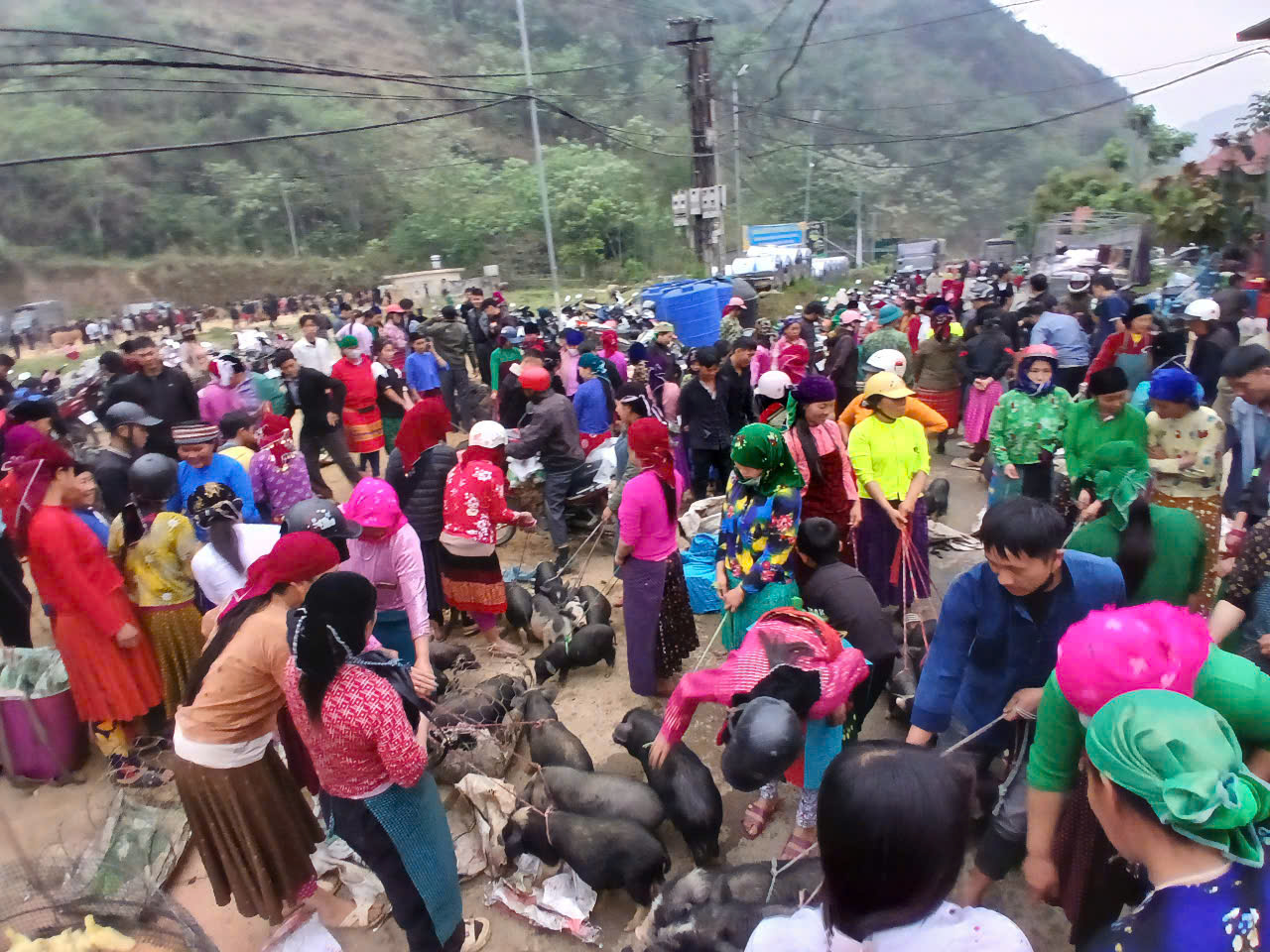
Meo Vac is another important stop on the Ha Giang Loop.
If the trip falls on a Sunday, the local market provides an opportunity to see people from surrounding mountain villages gathering to trade food, clothing, livestock and local products.
The market is also a chance to see the cultural diversity of Ha Giang, where different ethnic communities live across the surrounding mountains.
7. Hoang Su Phi: Where to See Ha Giang's Rice Terraces
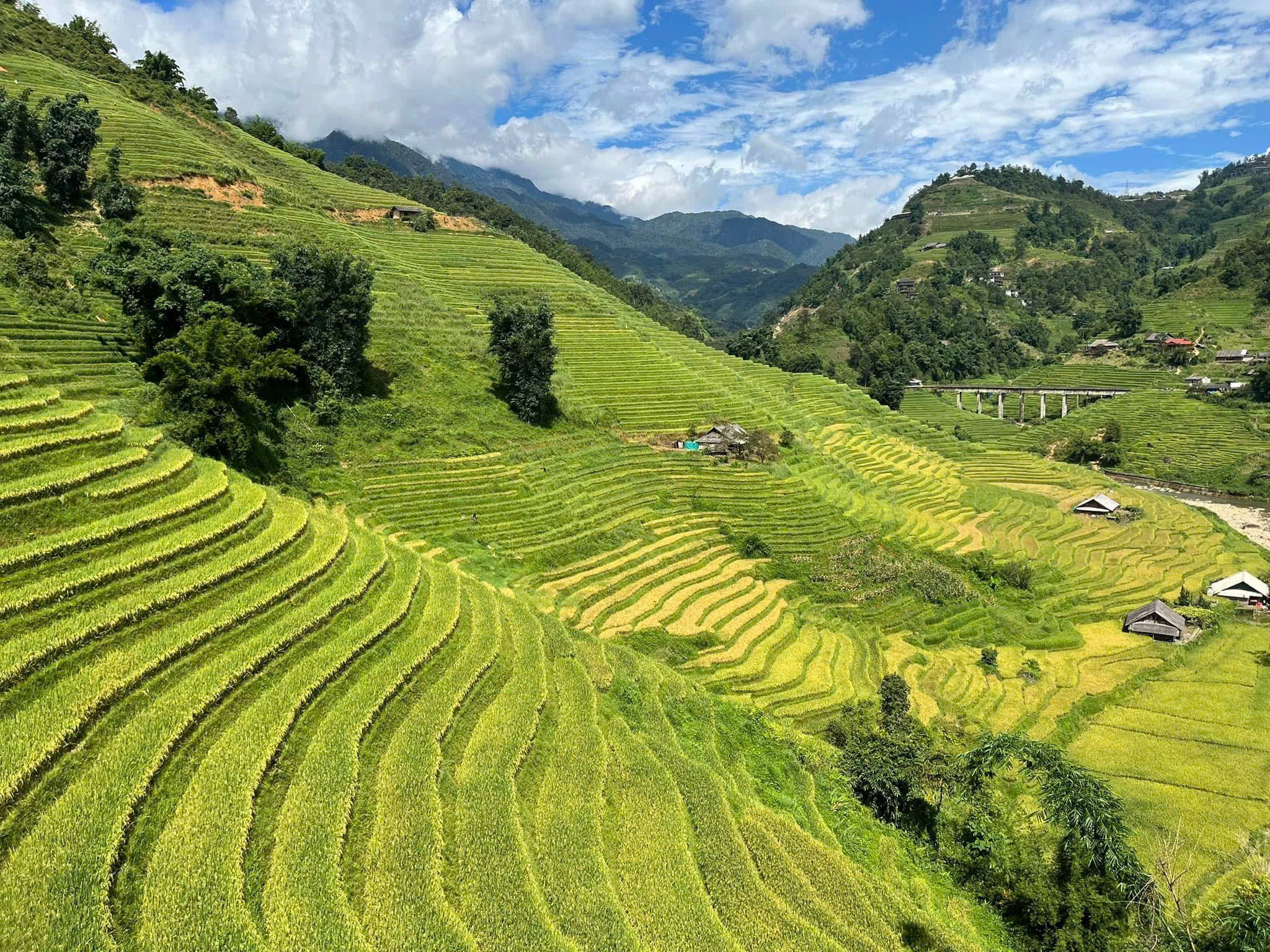
Hoang Su Phi is one of the best places in Northern Vietnam for travelers interested in mountain rice terraces.
Unlike the classic Ha Giang Loop route, Hoang Su Phi offers a different side of the province, with steep terraced fields covering the mountainsides and small ethnic villages scattered through narrow valleys.
The scenery changes dramatically throughout the year.
March–May: water flows into the terraces, creating the famous water-filled rice fields, which reflect the sky like natural mirrors.
August–September: the rice begins turning golden, creating some of the most impressive terrace landscapes of the year. Vietnam Tourism notes August as an especially attractive period for the golden rice terraces.
Hoang Su Phi is also a good area for trekking, with routes passing through rice terraces, forests and ethnic villages.
8. Du Gia
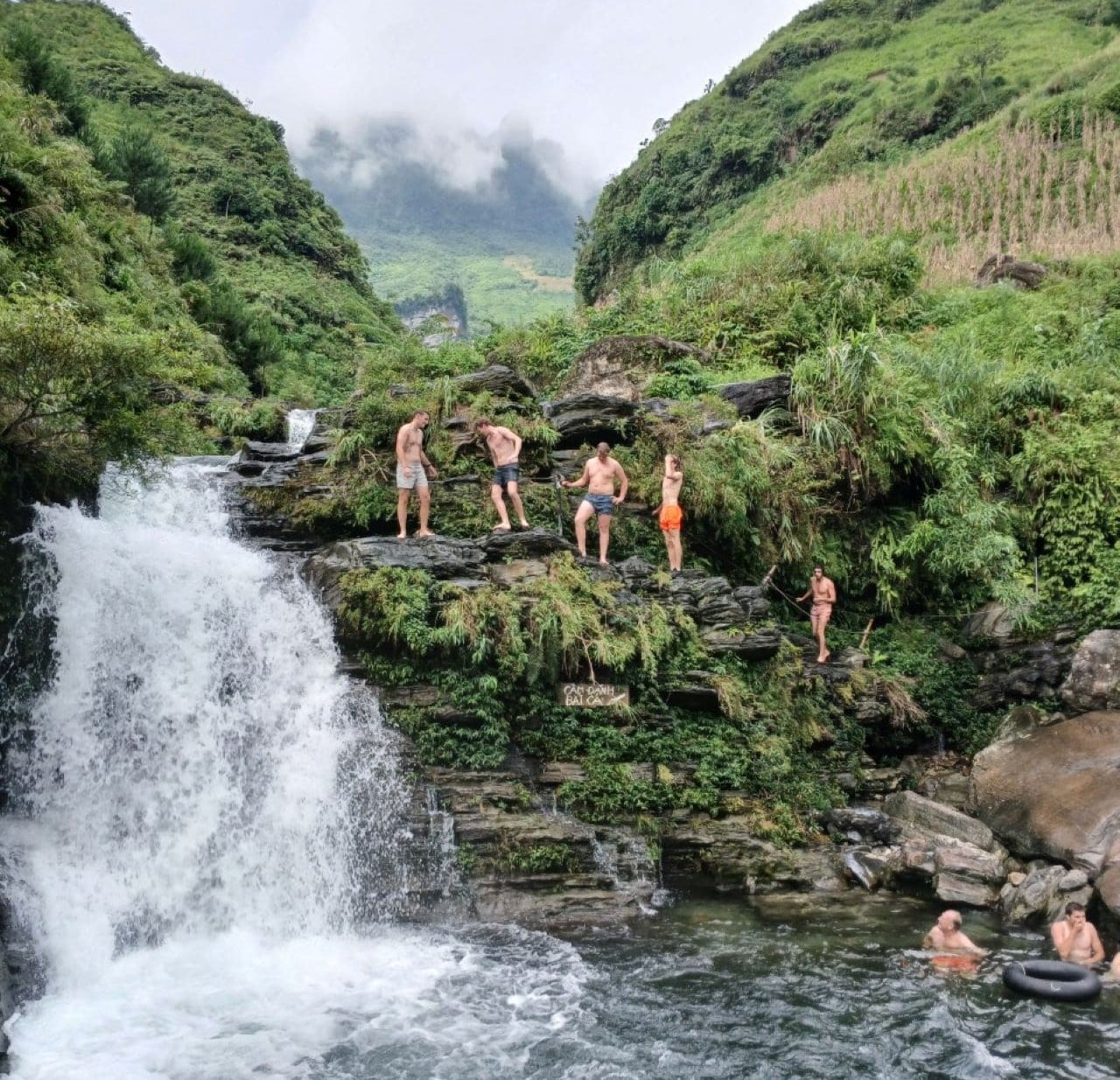
Du Gia offers a quieter and greener side of Ha Giang.
The area is surrounded by valleys, rice fields, small villages and mountain roads. After traveling through the rocky landscapes around Dong Van and Meo Vac, Du Gia provides a more peaceful environment.
Du Gia Waterfall is a popular stop where travelers can relax, take photographs or cool off in the natural surroundings.
For visitors taking a multi-day Ha Giang journey, spending a night in Du Gia can also provide more time to experience village life.
When Is the Best Time to Visit Ha Giang?
There is no single month that is perfect for everyone. Each season gives Ha Giang a different appearance.
March – May: Flowers and Green Mountains
Spring brings flowers, fresh green vegetation and pleasant temperatures. This is also a good period for travelers interested in local markets and village life.
June: Hoang Su Phi Water Season
June is particularly interesting around Hoang Su Phi, when farmers fill the terraces with water before planting. The fields can become giant mirrors reflecting the sky and surrounding mountains.
August – September: Golden Rice Terraces
For travelers specifically interested in rice terraces, August and September are among the most attractive months for Hoang Su Phi. The mountainsides gradually turn golden as the rice approaches harvest.
September – November: Excellent Ha Giang Loop Weather
For the classic Ha Giang Loop, September to November is one of the recommended periods, with cooler temperatures and strong seasonal scenery. November is also associated with the buckwheat flower season.
October – December: Buckwheat Flowers
The buckwheat flower season brings another distinctive landscape to Ha Giang.
Popular areas include Lung Cam Village in Sung La Valley and locations around the Dong Van Karst Plateau.
WEATHER NOTE: OCTOBER TO DECEMBER
October to December is the rainy season in many parts of Vietnam. Although some destinations may have sunny and pleasant weather, sudden rain can still occur due to tropical storms and changing weather conditions. Guests traveling in Vietnam during these months are particularly advised to pay attention to weather forecasts and prepare for unexpected rain, especially when traveling between different regions.
How to Get to Ha Giang from Hanoi

Ha Giang is connected to Hanoi by road, and there are several practical ways to reach the city.
1. Sleeper Bus
For most international travelers, a sleeper bus from Hanoi to Ha Giang is one of the easiest options.
Buses operate both during the day and at night. Depending on the service, travelers can choose traditional sleeper buses or smaller VIP-style minivans. The journey generally takes around six hours, depending on the vehicle and road conditions.
Night buses are convenient for travelers who want to arrive in Ha Giang early in the morning and begin the trip after breakfast.
2. VIP Limousine / Minivan
A VIP minivan can be a more comfortable choice for travelers who prefer a smaller vehicle and fewer passengers.
Travel time varies depending on traffic, departure point and operator, so it is worth checking the current schedule before booking.
3. Private Car
For families, couples or private groups, a private car provides more flexibility. It can also be combined with a private Ha Giang itinerary.
What Is the Best Way to Travel Around Ha Giang?
Once in Ha Giang, the choice of transportation makes a big difference to the experience.
Easy Rider Motorbike Tour
For travelers who want to enjoy the mountain roads without riding themselves, an Easy Rider motorbike tour is a practical option.
An experienced local driver handles the motorcycle while passengers can concentrate on the scenery, photography and villages along the route.
Self-Riding Motorbike Tour
Experienced riders can choose a self-riding Ha Giang Loop tour.
However, the roads include steep mountain passes, sharp bends and changing weather conditions. Riders should have appropriate experience and the legally required motorcycle licence and documents.
Private Car Tour
A private car is suitable for travelers who prefer more comfort or do not want to travel by motorcycle.
However, a car cannot provide the same open-air experience as traveling through Ha Giang on two wheels.
How Many Days Do You Need in Ha Giang?
For the classic Ha Giang Loop, 3–4 days is a good starting point.
2 days: possible for travelers with limited time, but the itinerary is fast-paced.
3 days: a popular option covering major highlights such as Quan Ba, Yen Minh, Dong Van, Ma Pi Leng and Meo Vac.
4 days: allows more time for villages, viewpoints, local experiences and slower travel.
5–6 days: better for combining the Ha Giang Loop with additional areas such as Cao Bang or spending more time around local villages and mountain landscapes.
Hoang Su Phi: should ideally be planned as a separate section of the trip if rice terraces and trekking are the main priority.
Ha Giang Travel Tips
- Bring a light jacket because temperatures can change quickly in the mountains.
- Comfortable walking shoes are useful for viewpoints, villages and short hikes.
- Avoid carrying large suitcases on a motorcycle.
- Check weather conditions before starting a mountain-road journey.
- If not experienced with mountain riding, consider an Easy Rider instead of self-riding.
- Plan extra time for photography because viewpoints are frequent along the route.
- If visiting local villages, dress respectfully and ask before photographing people.
- Book transportation from Hanoi in advance during busy travel periods.
Ha Giang: Which Experience Is Right for You?
Ha Giang can be experienced in different ways depending on the season and travel style.
For mountain roads: choose the Ha Giang Loop.
For rice terraces: choose Hoang Su Phi, especially around the water season and rice harvest.
For ethnic markets: plan around local market days.
For buckwheat flowers: visit during the autumn flower season.
For a relaxed motorcycle experience: choose an Easy Rider tour.
For experienced riders: consider a self-riding itinerary.
For families or travelers who prefer comfort: consider a private car.
Ha Giang is not simply one destination or one road. It is a large mountain region where landscapes, cultures and seasonal scenery change from one area to another. That is what makes a longer journey through the province especially rewarding.